
QR menu vs printed: what really happens to the average check
We looked at six months of venues running on POSse: in some the check grew noticeably, in others it didn’t move. The difference turned out to be not the QR code itself but three things around it.
Why paper loses on timing, not on looks
A guest opens a printed menu once — when seated. Then it sits in a pile at the edge of the table, and every next order means catching a waiter. A QR menu stays in the guest’s hands for the whole visit: the second glass, dessert and coffee get ordered the moment the guest wants them, not when it works out.
By the numbers from venues on POSse, most of the extra check comes from repeat orders in the second half of the visit — exactly where paper is physically absent.
We saw no growth in the first month and decided QR was decoration. Then we added photos to thirty items — and saw the difference in the weekly report.
Three things that move the check
A code on the table sells nothing by itself. In the venues where the check grew, it was a combination:
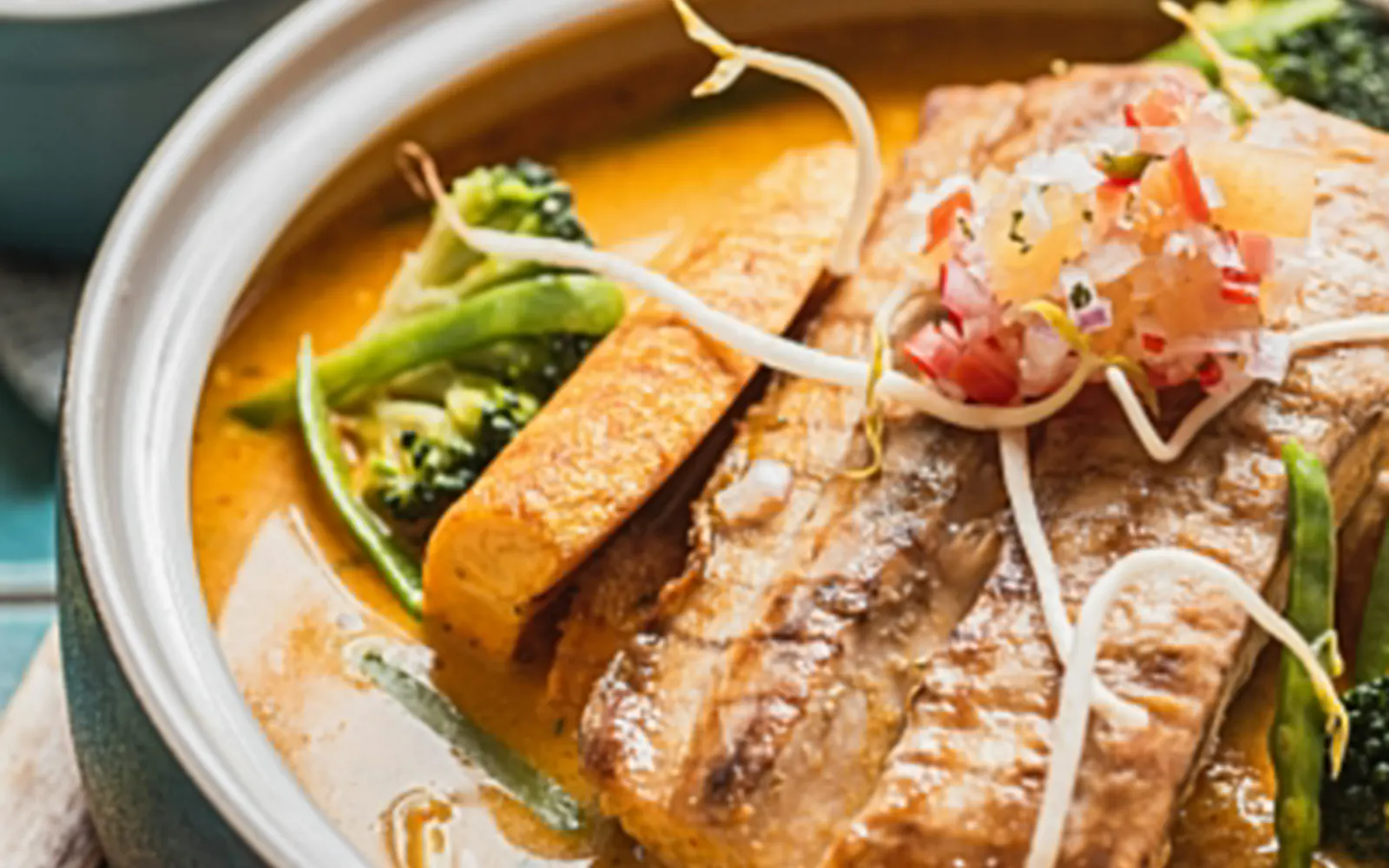
- Photos for the top 30 items. Guests order with their eyes: items with a photo are chosen noticeably more often than same-priced lines without one.
- Descriptions, not ingredient lists. “Pasta with guanciale and pecorino, like in Rome” sells better than a comma-separated list of ingredients.
- Pairing hints on the dish. The suggestion “a glass of Vernaccia goes with this pasta” appears at the moment of choice — a waiter would have to stand at the table for that.
Where QR doesn’t help
Honestly: in single-visit formats with a short menu — a takeaway coffee shop, a lunch bistro with three items — there’s almost no difference. There a QR menu saves on printing and speeds up price updates, but barely moves the check. The effect grows with the length of the visit: bars, dinner restaurants, terraces.